Hints & Tips
Glass Partitions for Offices: Pros, Cons, and Design Tips
April 30, 2026
3mins

Fireproofing is a critical aspect of modern construction, ensuring the safety of buildings, their occupants, and the surrounding environment. As construction projects grow in scale and complexity, proper fireproofing techniques are essential to minimise fire risks and comply with building regulations. This guide explores the importance of fireproofing in modern construction, the benefits it offers, and the key methods used to achieve it.
The primary goal of fireproofing is to protect human lives. Fireproofing materials and techniques slow the spread of fire, giving occupants more time to evacuate safely and emergency services more time to respond.
Fireproofing helps maintain the structural integrity of a building during a fire. Materials such as steel and concrete can weaken and collapse under high heat, but proper fireproofing can delay this process, reducing damage and preventing catastrophic failures.
Building codes and regulations require fireproofing to meet specific standards. Non-compliance can lead to legal consequences, insurance issues, and increased liability for building owners and contractors.
Fireproofing minimises damage to buildings and their contents, reducing repair and replacement costs after a fire. It also protects critical infrastructure and assets within commercial or industrial spaces.
By containing fires and limiting their spread, fireproofing helps reduce environmental damage caused by smoke, heat, and toxic emissions.
Modern construction employs a variety of fireproofing techniques, each suited to specific materials and applications. Here are some of the most common methods:
These specialised paints expand when exposed to high heat, creating an insulating barrier that protects structural elements like steel beams from fire damage.
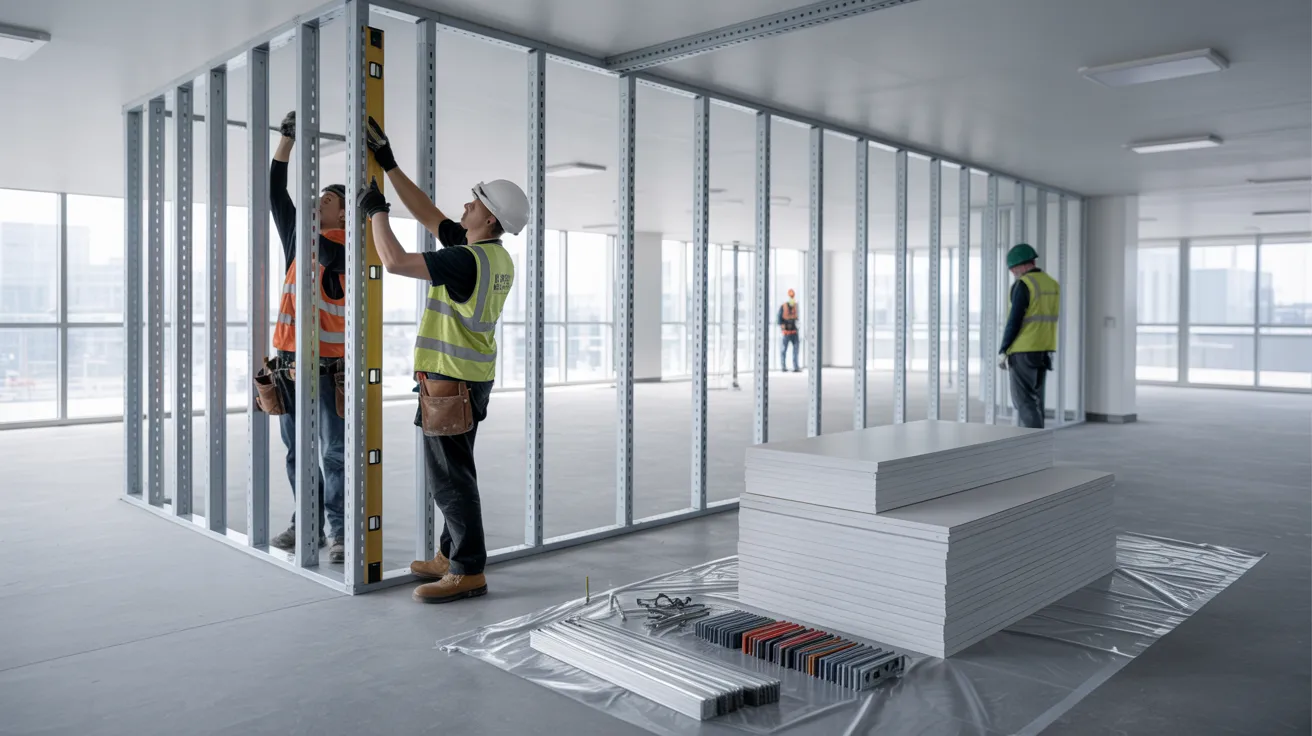
Plasterboard and other fire-resistant panels are commonly used to protect walls, ceilings, and partition systems. These materials are rated for their ability to withstand fire for specified periods.
A lightweight fire-resistant material is sprayed directly onto structural components such as steel or concrete. This method is quick to apply and effective for large-scale projects.
Firestopping involves sealing gaps, joints, and penetrations in walls and floors to prevent fire and smoke from spreading. Materials like firestop sealants and collars are often used.
Structural steel components can be encased in concrete to provide additional fire resistance. This method is common in high-rise and industrial buildings.
PFP systems include fireproof doors, dampers, and partitions designed to compartmentalise a building and contain fires within specific areas.
Fireproofing measures are governed by strict building codes and standards, such as:
Compliance with these regulations ensures that buildings are designed and constructed to provide adequate fire protection, reducing risks to life and property.
Proper fireproofing is a cornerstone of modern construction, safeguarding lives, buildings, and the environment. By investing in effective fireproofing techniques and materials, builders and developers can create safer, more resilient structures that comply with regulations and stand the test of time.
If you’re planning a construction project, BAL Drylining can help with fireproofing solutions tailored to your specific needs. Contact us today to learn more about how we can ensure your building meets the highest safety standards.

Copyright © 2026. BAL Dry Lining. All rights reserved.