Hints & Tips
Glass Partitions for Offices: Pros, Cons, and Design Tips
April 30, 2026
3mins

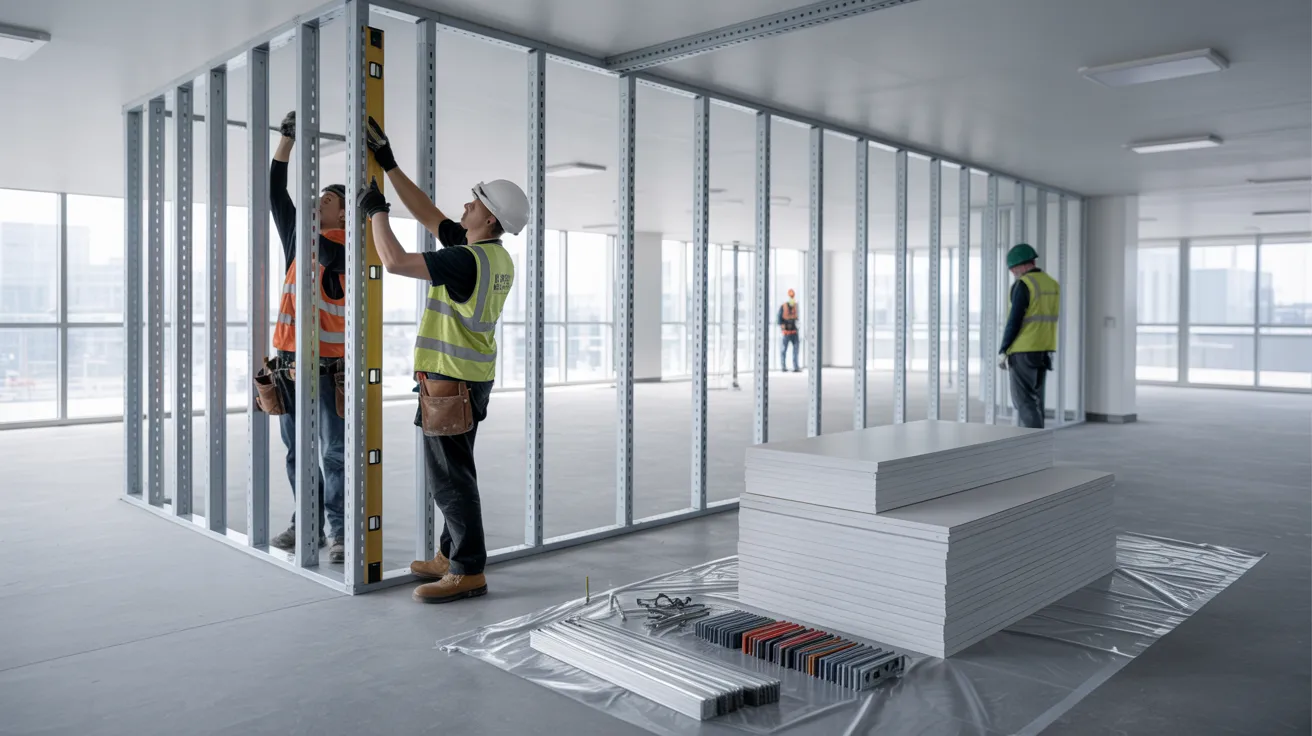
Drylining is the process of attaching plasterboard or drywall to walls, ceilings, or partitions without using wet plaster. It is a quick and efficient way to create smooth surfaces for decoration while also improving insulation and energy efficiency. By incorporating insulation materials and advanced technologies, drylining systems can significantly enhance a building’s thermal performance.
One of the primary ways drylining contributes to energy efficiency is by reducing heat loss. Insulated plasterboards, which combine standard plasterboard with thermal insulation materials, help maintain indoor temperatures by minimising the transfer of heat through walls and ceilings. This reduces the need for heating in winter and cooling in summer, leading to lower energy consumption.
Drylining can help seal gaps and cracks in walls that often lead to air leakage. By creating a continuous, airtight barrier, drylining prevents drafts and improves the overall thermal envelope of the building.
Drylining systems are compatible with a range of insulation materials, such as:
These materials can be integrated into drylining systems to achieve superior energy efficiency.
Thermal bridging occurs when heat escapes through conductive materials like steel or concrete. Drylining, particularly when paired with insulated boards, helps to reduce these bridges by adding an extra layer of protection between the interior and exterior of the building.
In new builds, drylining is an effective way to meet stringent energy efficiency standards from the outset. By integrating insulated plasterboards during construction, developers can create energy-efficient homes and offices without significant additional costs.
Drylining is also widely used in retrofitting older buildings to improve their thermal performance. Adding insulated boards to existing walls and ceilings can dramatically reduce heat loss and upgrade the energy efficiency of older properties.
In commercial spaces, drylining offers a practical solution to improve insulation while maintaining aesthetic and functional requirements. It is particularly beneficial in offices, retail spaces, and public buildings.
Drylining plays a vital role in achieving energy efficiency in modern buildings. By improving insulation, reducing air leakage, and minimising thermal bridging, it helps lower energy consumption and creates comfortable, sustainable living and working environments. Whether you’re constructing a new property or renovating an existing one, drylining is a cost-effective and efficient solution for enhancing energy performance.
For professional drylining services and energy-saving solutions, contact BAL Drylining today. Our experts are ready to help you build a more sustainable future.

Copyright © 2026. BAL Dry Lining. All rights reserved.